

 Facebook
 X
X
 Pinterest
 Copy Link
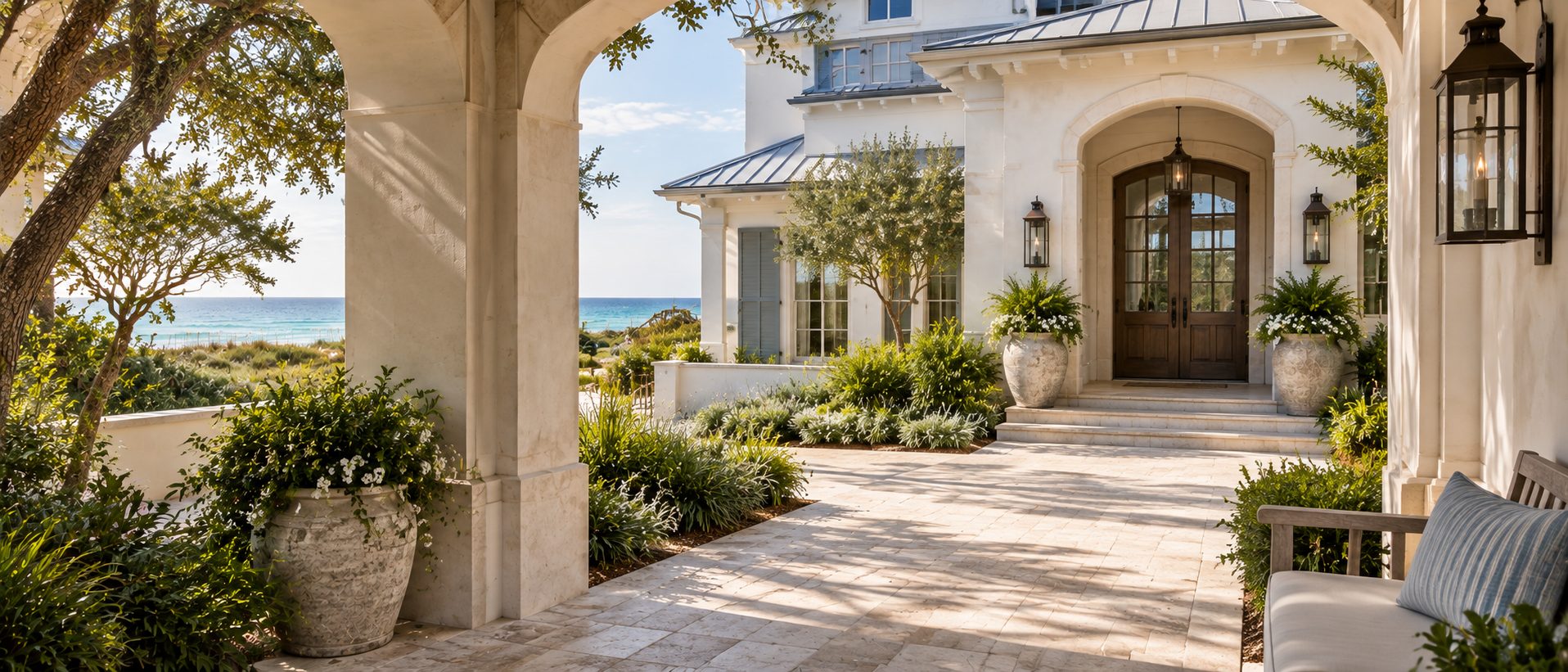
Buying the property is one decision. Understanding how it will function when you are not there is another.
There is a point in many second-home searches when the conversation changes.
At first, buyers are thinking about the home itself.
The view.
The location.
The outdoor spaces.
How often family might visit.
Whether they can picture themselves spending weekends, summers, or longer stretches of time there.
Those things matter. But once a coastal property becomes a serious possibility, I believe there is another set of questions worth asking.
Not simply, Do I want this home?
But:
How will I own this home?
That distinction matters, particularly along Scenic Highway 30A, where many owners divide their time between Northwest Florida and another primary residence.
A Second Home Has to Work When You Aren’t There
A primary residence naturally becomes part of your daily routine. You see the small things that need attention. You know when something changes. Maintenance becomes part of everyday life.
A second home is different.
You may leave for several weeks or several months. During that time, the property still needs to be maintained, monitored, insured, and protected.
For some owners, that means choosing a community where exterior maintenance is handled. For others, it means establishing relationships with property managers, service providers, landscapers, or other local professionals.
Neither approach is necessarily better.
What matters is understanding the level of responsibility you are comfortable carrying before you buy.
That is one reason I encourage buyers to look beyond the immediate appeal of a property and consider the hidden factors that shape luxury home decisions.
Convenience Has a Different Meaning in a Second Home
When people hear the word convenience, they often think about proximity to restaurants, shopping, the beach, or recreation.
For a second-home owner, convenience can mean something else entirely.
How easy is the property to secure when you leave?
Who will notice if something needs attention?
How complicated will routine maintenance be?
If you arrive after being away for six weeks, will the home be ready for you to enjoy—or will the first day of every visit become a list of things that need to be handled?
Those may seem like small considerations during a showing.
Over years of ownership, they can have a significant effect on how much you actually enjoy the property.
The Community Can Affect the Ownership Experience
This is also where community becomes more than a lifestyle choice.
Different communities along 30A can offer very different ownership experiences. Association responsibilities, architectural standards, amenities, rental activity, access, privacy, maintenance expectations, and the overall rhythm of a neighborhood can all influence how a second home functions.
A community that feels perfect for someone who plans to spend several months here may not be the same one I would suggest for someone arriving for shorter, less frequent stays.
That is why I think it is important to understand how thoughtful buyers evaluate a luxury coastal community rather than choosing one based only on its appearance or reputation.
Coastal Ownership Requires Its Own Kind of Planning
Owning near the Gulf also brings considerations that are simply different from owning elsewhere.
Salt air, wind, moisture, exterior materials, mechanical systems, landscaping, insurance, and ongoing maintenance deserve attention.
This does not mean coastal ownership should feel burdensome. Quite the opposite.
The purpose of thinking through these things before purchasing is to choose a property that allows ownership to feel easier afterward.
A home can be beautiful and still require more attention than a particular buyer wants to give it. Another may be exceptionally well suited to being closed up for periods of time and enjoyed immediately upon return.
Those distinctions rarely appear in listing photographs. They become visible when you begin looking at the property from the perspective of an owner rather than a visitor.
Decide What Role the Home Will Play
I also encourage buyers to think beyond how often they expect to use a second home during the first year or two.
Will this remain primarily a getaway?
Could you eventually spend several months here?
Might it become a gathering place for children and grandchildren?
Could it become your primary residence later?
Those possibilities don’t require you to predict the future. But they can change which characteristics deserve the most weight today.
We explored that idea more deeply in choosing a coastal home that still fits ten years from now.
The Goal Is to Enjoy What You Own
For me, this is where second-home buying becomes less about acquiring a beautiful property and more about making a thoughtful decision.
The right second home should add something to your life.
Time with people you care about.
A place to recharge.
A familiar community to return to.
Perhaps even a home that becomes increasingly important as the years pass.
The details surrounding ownership aren’t separate from that experience. They help create it.
Before deciding that a coastal home is the right one, take the time to understand what owning it will actually look like—when you’re there and when you’re not.
Because a second home should not simply be a place you look forward to visiting.
It should be a home that works for the life you want to live.
Kim Francks
Your Journey. Your Home. Your Story—Guided with Care.
